
Welcome to our newsletter.
The focus of this issue of the newsletter is on listening and responding to people who use health and social care services, and working collaboratively with them to effect change.
We recently published two major Overview Reports which look back over our experience, as a regulatory body, of regulating centres for people with disabilities and children’s services in Ireland across a 10-year period. In our report, 10 Years of Regulating Designated Centres for People with Disabilities, we chart how regulation has instigated significant change in the sector, in particular moving away from institutional care practices and restrictive practices towards person-centred care. In the past 10 years we have used our regulatory approach to effect real and sustained change in how care and supports are provided to persons with disabilities and have sought to amplify the voice of residents through our inspections.
One of HIQA’s core values is adopting a human rights-based approach to care. Within the context of disability services, this means that residents’ choices and autonomy in their day-to-day lives and activities are respected and valued and their voices are listened to. Most providers are striving to adopt a rights-based approach but we know from our work, particularly with advocacy groups, that there is still a lot of work to do in this area. Working together with residents, their families, advocates and providers, we will continue to strive for improved services and the best possible quality of life that can be achieved for people using these services.
Our report, 10 Years of Regulating and Monitoring Children’s Social Care Services, was published this week. When the Child and Family Agency (Tusla) was established in 2014, we commenced inspecting their children’s services. Over that time, we have seen significant changes. Our 10 year Overview Report shows that the majority of services have become more focused on the rights of the child — listening to them and encouraging them, along with their parents, to be actively involved in decisions about their lives. We have found improvements in the quality of care and support provided for children in all types of settings and across foster care settings also. Despite this, challenges remain, in particular around having adequate appropriate resources; in particular, a key requirement is to ensure all children have an allocated social worker. An important feature of our work in this area is working collaboratively with key stakeholders and the Department of Children, Equality, Disability, Integration and Youth. In this context, we will continue to support, along with the Department, Tusla and foster carers in striving for improvements in services and also to reflect on how we, as a regulator, can improve how we work.
As a regulatory body in health and social services, we recognise that listening to the lived experiences of patients and communicating clearly with patients is invaluable when it comes to understanding and meeting their needs. The publication of the results of the sixth National Inpatient Experience Survey provides an important platform for the voices of patients who have spent time in a public acute hospital in Ireland. This year, the survey asked a record 12,367 patients to share their experiences and feedback with us. The findings showed that overall the experiences of patients were positive, and had improved since the last survey in 2022. Patients felt that they were treated with respect and dignity, felt confident in the safety and treatment of their care, and they trust hospital staff. Despite this, areas for improvement were also pointed to: for example, some participants felt that they were not able to find staff to talk about their worries, and that they did not receive enough information about managing their condition after they were discharged.
Through the publication of the results and by supporting the development of improvement plans, we are looking to amplify the voices of patients and their families. Critically, by working with our partner organisations the Department of Health and the HSE, we also seek to effect real and sustainable changes in how people experience health services.
One further way that we capture the feedback and opinions of our stakeholders and use it to shape our work is through public consultations. In this issue, you will find information about consultations that we are presently running on draft National Standards for Home Support Services and on guidelines for the justification of medical radiological procedures on asymptomatic individuals. We encourage those with particular interest in, or knowledge of, those areas to take part and share their views and experiences with us.
We look forward to returning with a new edition of our newsletter in early 2025.
Until then,
Angela.
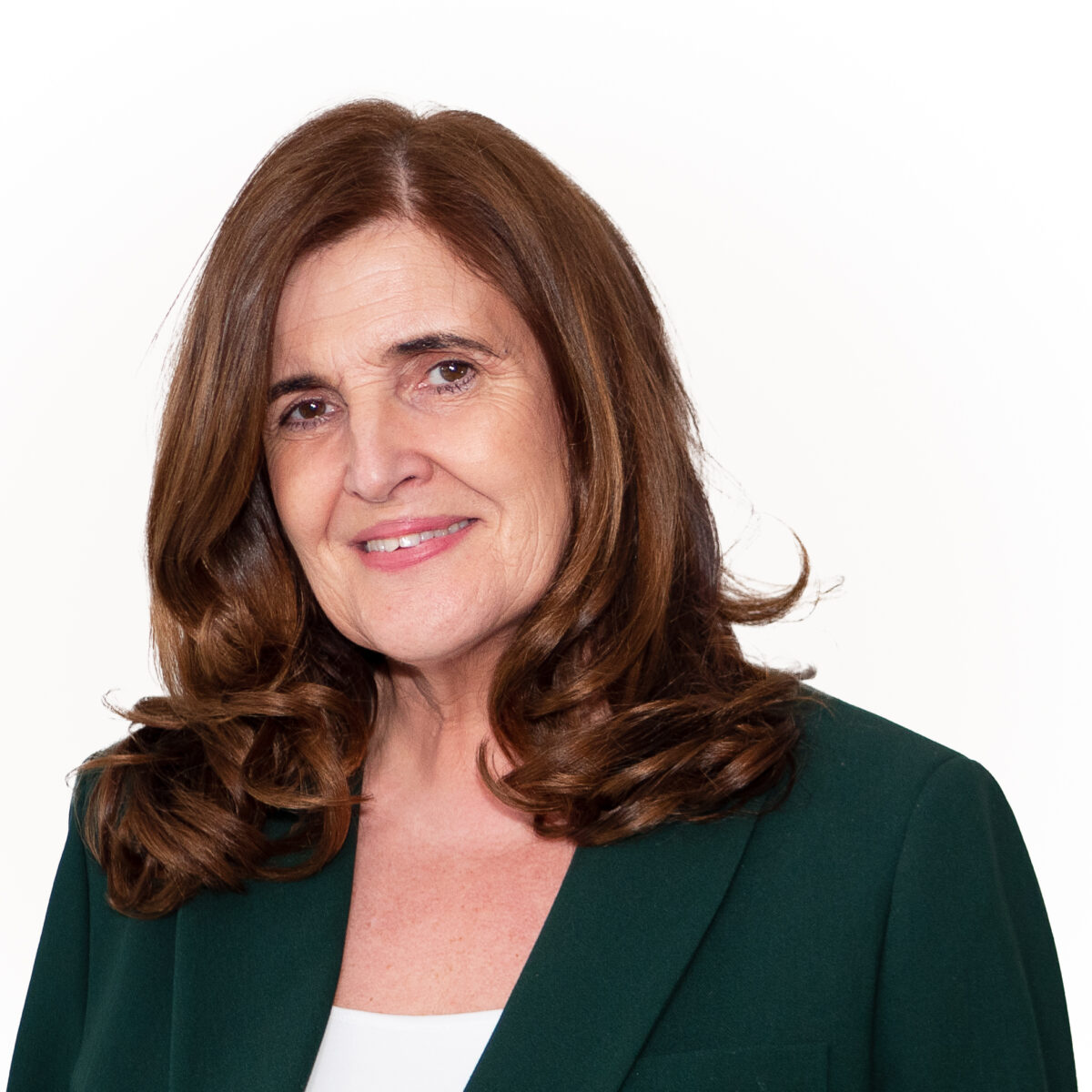
(Pictured at the beginning of this article: HIQA’s CEO Angela Fitzgerald.)