
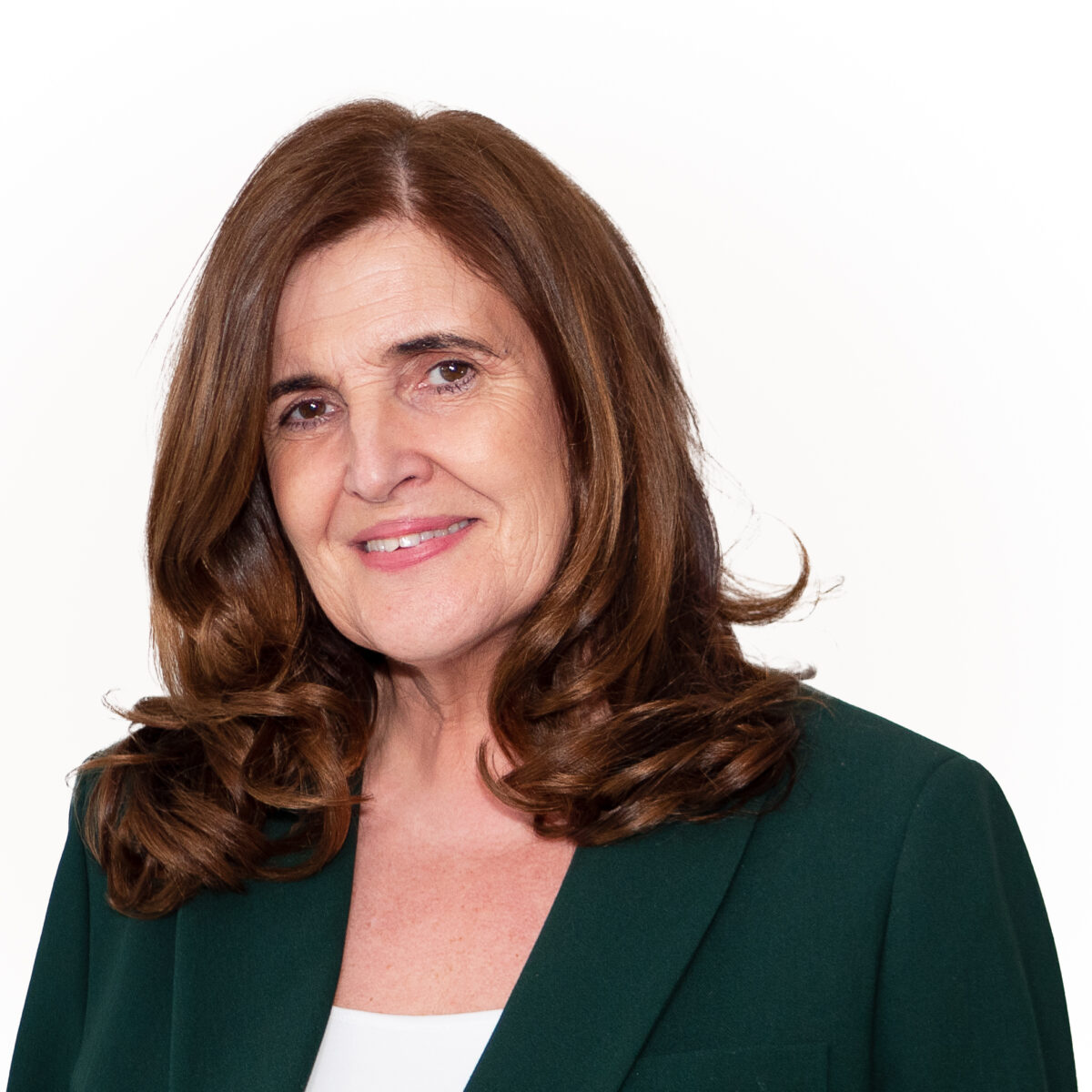
Welcome to our August newsletter.
This year is an important one for HIQA as we mark 15 years of regulating nursing homes.
HIQA was established in 2007 and our first inspections of nursing homes began in 2009. During the intervening 15 years, our regulation remit has grown to include many areas within health and social services such as disability services, children’s special care units, healthcare and ionising radiation. During this time we have seen improvements in the quality and safety of many of the services that we regulate as a result of the benefits of having a regulatory framework and of working in collaboration with both providers and funders to drive sustainable change.
More recently, we commenced monitoring inspections in international protection services and we are working closely with the Department of Children, Equality, Disability, Integration and Youth and providers to support the delivery of appropriate services that offer safety, dignity and basic human rights to those seeking asylum in our country. While this new remit has identified challenges in the quality of service provision, we have also found evidence of good practice and a commitment among providers to deliver quality services.
All of our inspections monitor compliance against national standards and regulations and, over time, our focus can change as we seek to promote improved compliance in specific aspects of care. For example, we recently commenced a programme of inspections which focuses on adult safeguarding in nursing homes and in centres for people with disabilities. Safeguarding seeks to ensure that people using services are protected and their human rights are promoted, and this is fully aligned with our objectives to promote and protect the rights of people using health and social care services.
As a regulatory authority, our roles and responsibilities will also change and evolve over time. While we take the time to reflect on 15 years of nursing home regulation, we also look forward to our future as an organisation and to the range of new functions that lie ahead including the new provisions under the Patient Safety (Notifiable Incidents and Open Disclosure) Act which will come into effect this year and the Bill to enable statutory home support, which is progressing. These new functions will extend our remit further into privately provided services and to new domains. This year, arising from EU Directives on protecting critical infrastructure, we have also been asked to take on a new role as the competent authority for the health sector in terms of critical entities resilience. We are also in ongoing discussions with the Department of Health about related competent authority functions and the role for the health and social services regulator in these areas.
Through our health technology assessment function, HIQA continues to provide evidence and advice to the Minister for Health and the HSE to inform safe and effective health policies that are patient-focused while achieving best value for money. Recent examples of our work in this field have included submitting a rapid health technology assessment of immunisation against RSV to the Minister for Health and the Health Service Executive and providing advice regarding the addition of shingles vaccination to the immunisation schedule for those aged 50 years and older. We have also commenced an assessment of the possible extension of Ireland’s BowelScreen programme. Bowel cancer is one of the more prevalent forms of cancer in Ireland which impacts many people. Our assessment will carefully examine a variety of aspects relating to extending the bowel cancer screening programme. We will be asking for the public to provide feedback on a draft assessment through a public consultation before the findings are finalised.
On the issue of stakeholder engagement, over the past two months, we worked with our colleagues in the HSE and Department of Health to hold the sixth National Inpatient Survey. This year, over 30,000 patients were invited to take part to share their experiences of all aspects of hospital care. We are now analysing the survey responses and the 2024 survey results will be published later this year. I would like to extend my thanks to everyone who took part for sharing their experiences which will help us to learn more about what is working well and what needs to be improved. I would also like to thank the staff of participating hospitals for their ongoing support in raising awareness of the survey and encouraging patients to take part and for their strong commitment to driving improvements identified through the survey findings.
A key role of HIQA is to provide practical supports and guidance to health and social care staff in their day-to-day work. In this context, we have a number of resources available on our online Learning Hub. These include a set of online learning courses on important areas such as infection control and implementing a human rights-based approach. I am delighted to report that in July we reached a very significant milestone: our online learning courses have been completed over 300,000 times since their launch. This milestone figure also serves to highlight the very clear interest and dedication that those who are working in health and social care services have to their ongoing professional learning and development. We are committed to continuing to develop these resources which will support health and social care workers to implement national standards and to improve the quality and safety of health and social services.
Of note, in July, members of our staff spoke at the European Social Services Conference in Belgium about the development of online courses and resources to support the workforce in this area. As a learning organisation and thought leader, this was a valuable opportunity for us to share and exchange knowledge with other key social services organisations in Europe. We look forward to taking part in other similar opportunities in the coming months.
Until next time,
Angela.